
Built with the city, not around it
Programs that reach residents where they are.
Since 2022, we’ve partnered with city halls in 10 cities to design and run nonpartisan programs residents actually use: door-to-door outreach, benefits screening, city mailings, text outreach, and neighborhood events. Here is what we built and what it taught us.
 Milwaukee
 Philadelphia
 Houston
 Detroit
 Atlanta
Case study · Milwaukee
One MKE: the coalition that stayed
One MKE is a citywide coalition that connects Milwaukee residents to services, their neighbors, and civic life. It launched in 2024 with outreach teams at libraries, clinics, transit hubs, and festivals, where residents could screen for benefits like SNAP, WIC, and the Child Tax Credit and get nonpartisan information on how to take part.
After the 2024 election, One MKE stayed. In 2025 the coalition grew from 40 to 141 partner organizations, showed up at 170 community events, and funded 23 block parties. Residents in four neighborhoods formed taskforces to choose and lead their own projects, from a public mural at the Walker’s Point roundabout to a community arts event in Washington Park.
What changed for the city
- Milwaukee Public Library hired its first dedicated civic engagement program manager.
- In 2026 the library began leading civic engagement for the city, including Civic Bites and Milwaukee’s first Civic Season.
- A small grant for a community fridge in Metcalfe Park drew support from the Common Council, and four more fridges opened without our funding.
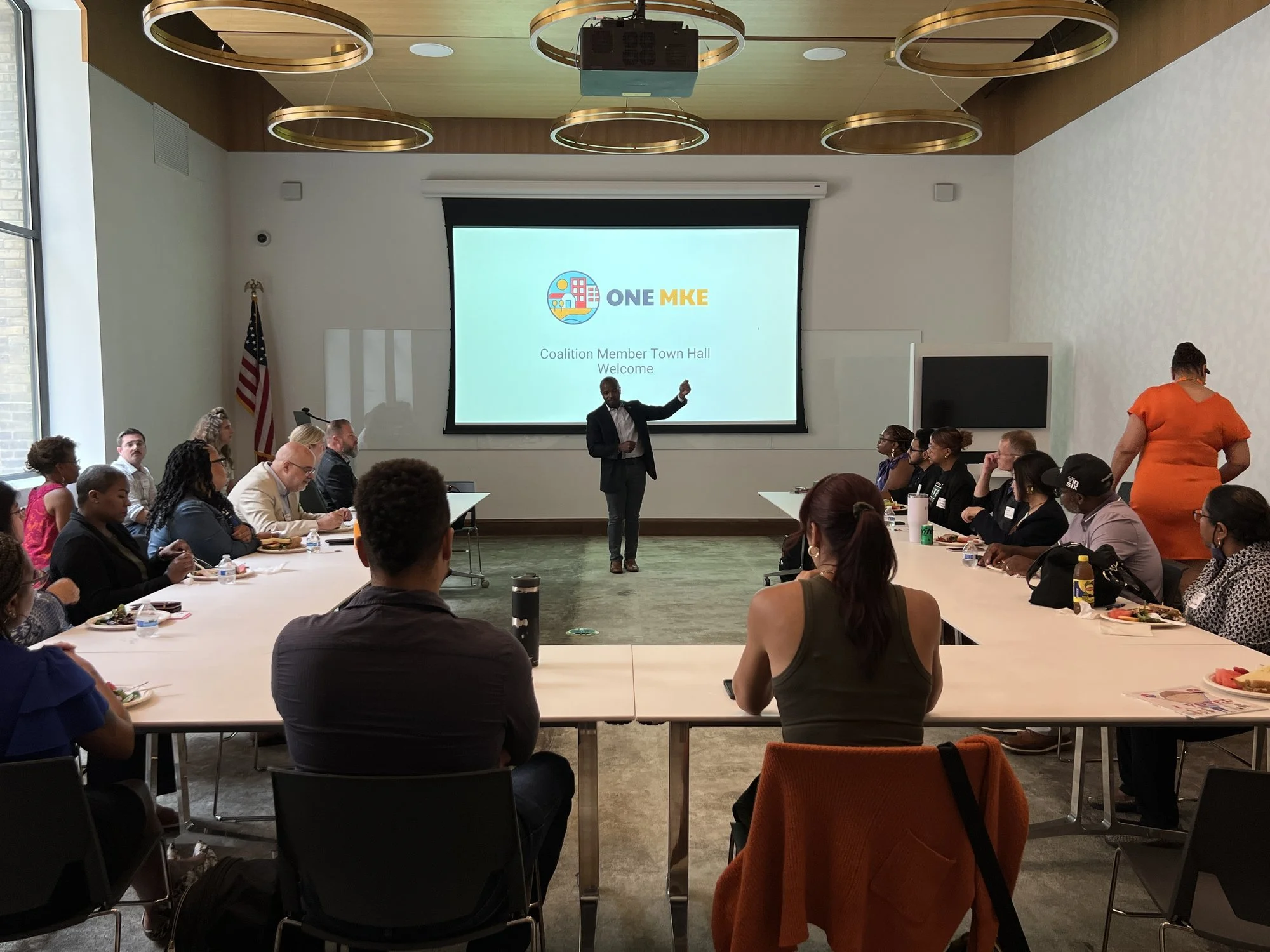
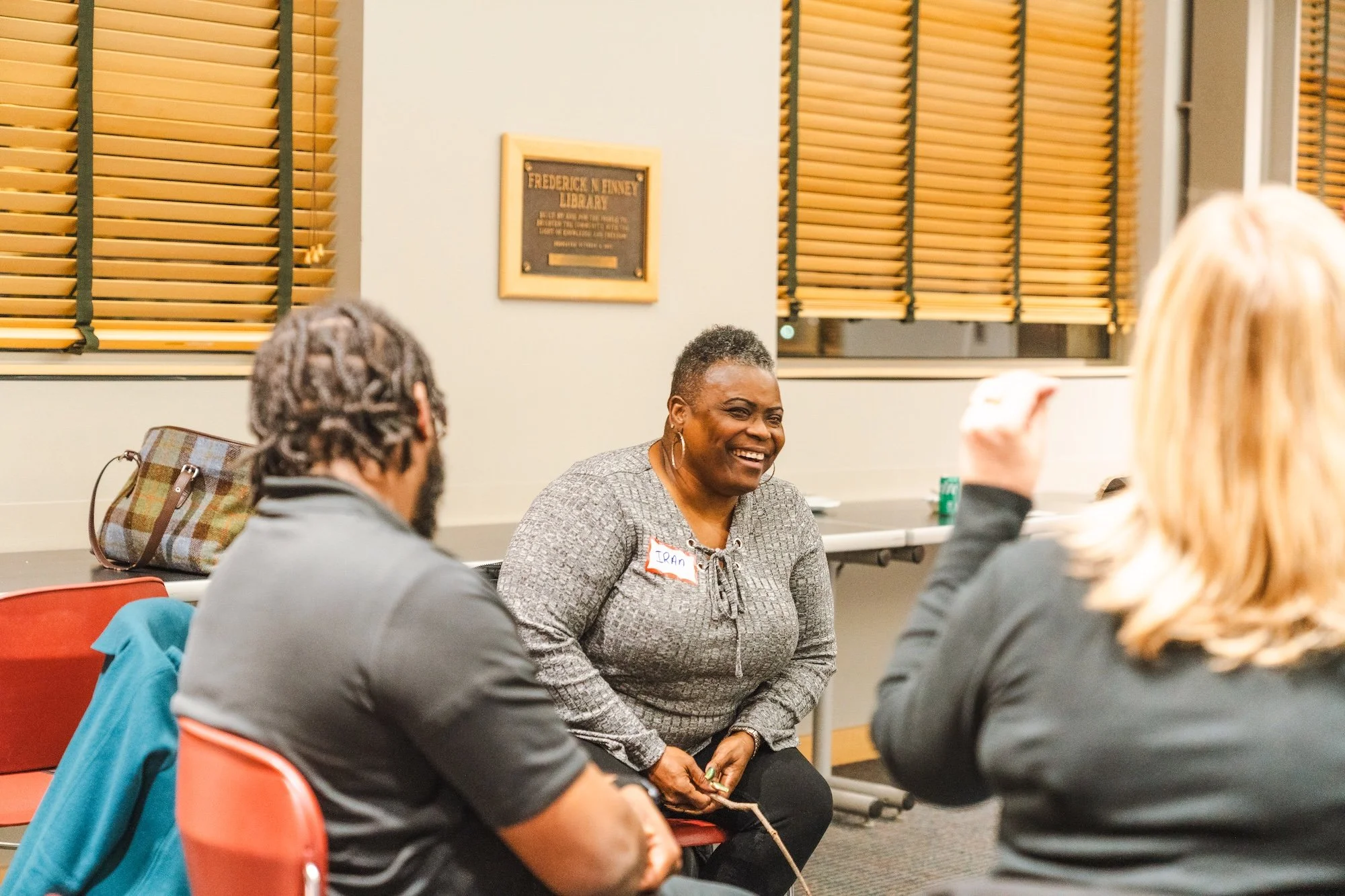 Community meeting, Milwaukee
The lesson
Showing up after Election Day is what turned a campaign into a coalition the city now leads.
Across the country
In the city’s own voice
Local partners built programs that mirrored trusted city brands, with city logos and colors, so residents knew the information came from their own city.
Philadelphia · 2024
OnePhillyConnect
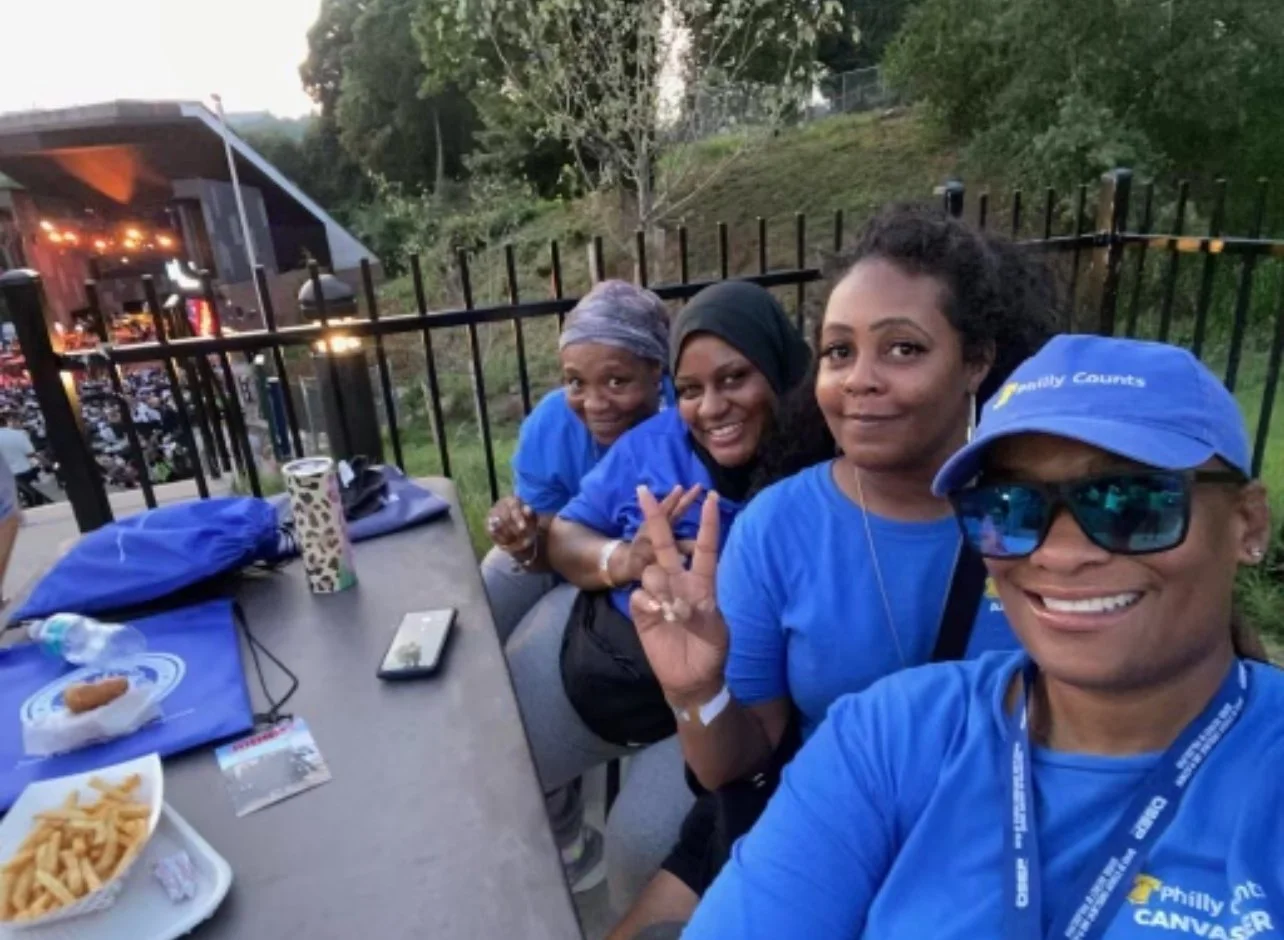
The City of Philadelphia, the Committee of Seventy, and Cities Forward led OnePhillyConnect with partner organizations. Outreach teams offered a benefits screener at community sites, and residents engaged more with service and community content than with voting resources. That lesson shaped everything we’ve built since.
Detroit · 2024
Detroit Votes
For Detroit’s first year of early voting, the city held 35 neighborhood events at early vote centers with parks staff, the Pistons, and the Lions, and drew more than 400 news stories.
Houston · 2024
Vote Houston
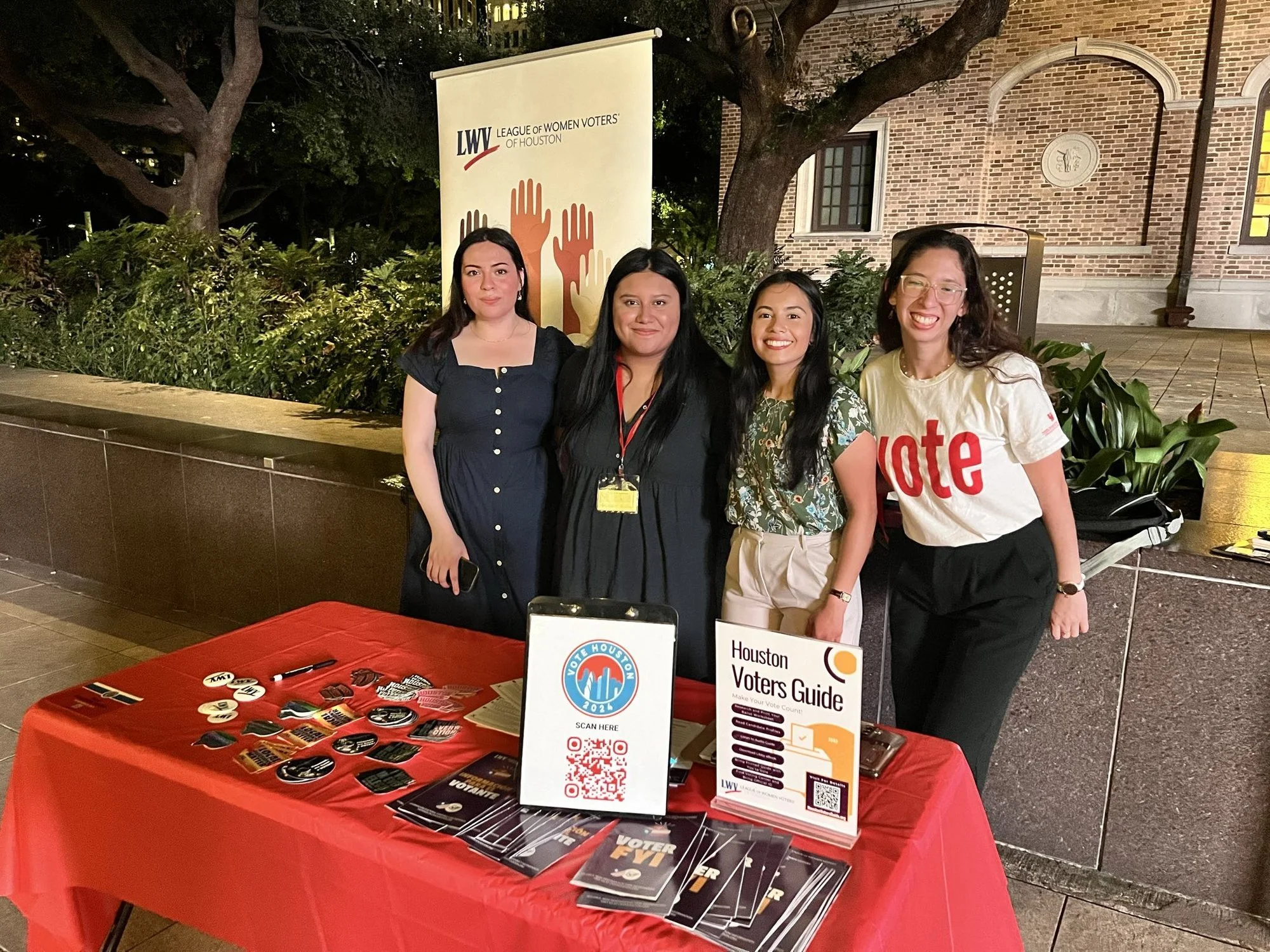
The mayor’s office sent nonpartisan information on how, when, and where to vote in water bills, with materials in seven languages at every public library. Residents heard it in their own city’s voice.
Atlanta · 2024
Go Vote ATL
Created for the City of Atlanta, Go Vote ATL gave residents nonpartisan voting information in the city’s own logo and colors, delivered through city channels residents already use.
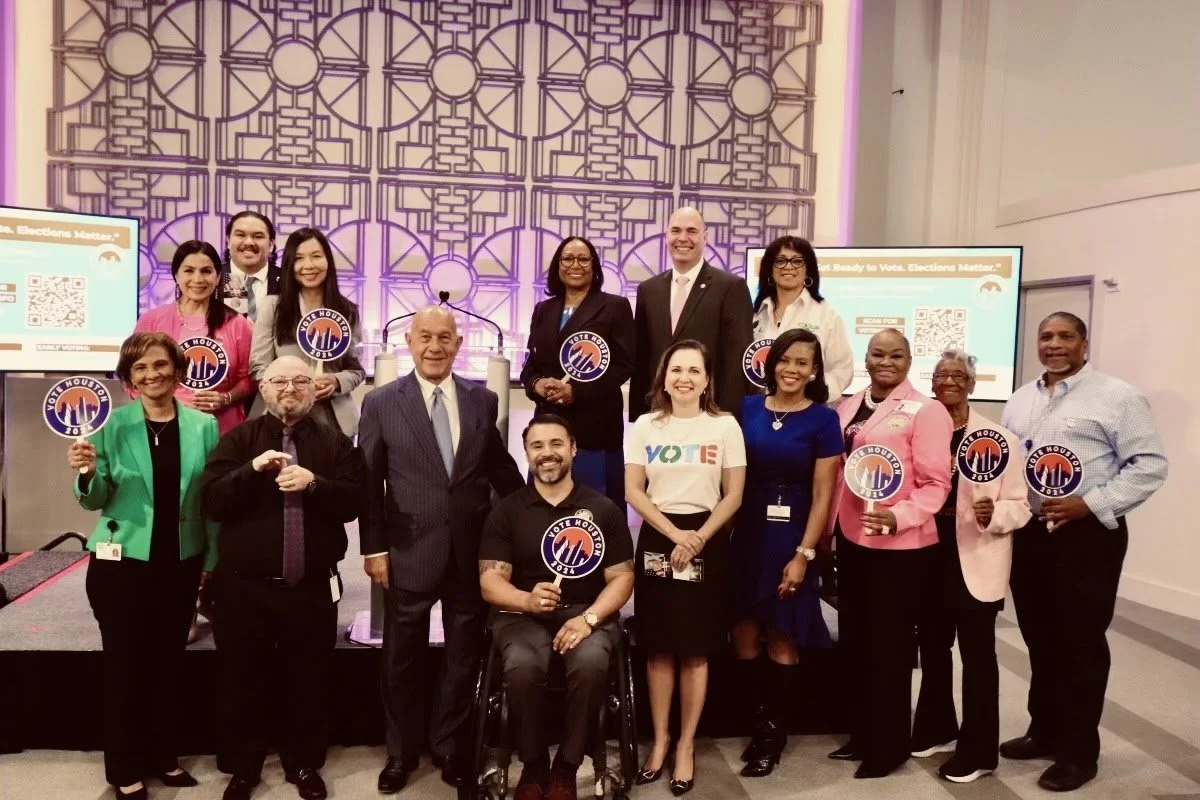 Vote Houston, 2024
Why it works
Residents respond when outreach comes from their own city, not from a group they’ve never heard of.
2022 · Where it started
Eight cities. One question: what if the knock came from city hall?
In our first year, we partnered with mayors’ offices in eight cities, from Philadelphia and Detroit to Reno and Tucson. When the knock came from a city-backed program, residents were more likely to open the door than for a typical canvass.
What we learned
Four lessons that shape everything we build
The city’s voice matters
Residents respond when outreach comes from their own city. An independent review of our 2022 work, based on 42 interviews, found that progress depended on a mayor who made the work a priority across departments, and on giving busy city offices a short menu of clear options.
Services come first
Residents engage with services and community before civic life. In Milwaukee and Philadelphia, about one in five residents who completed a benefits screener qualified for at least one benefit.
Showing up builds relationships
Coalitions grow when they keep showing up. One MKE stayed after the 2024 election, and in a year its partner network more than tripled, from 40 organizations to 141.
Cities need coordination
City departments each hold a piece of the picture and talk to residents separately. Programs run by outside partners end when the funding does, while programs a city owns outlast the grant.
What’s next
That’s why we’re building the Civic Intelligence Dashboard.
A nonpartisan tool cities can own, so residents who ask for help hear what happened.

Our Work
Programs that reach residents where they are.
Since 2022, Cities Forward has partnered with city halls in 10 cities to design and run nonpartisan programs that residents actually use: door-to-door outreach, benefits screening, city mailings, text outreach, and neighborhood events. Every program was built with the city, not around it, and shaped to each city’s neighborhoods, departments, and partners. Here is what we built and what it taught us.