
New research from Cities Forward
From Service Requests to Stronger Participation
Insights from city leaders, community partners, and resident data on 311, trust, and civic engagement, and how cities can better understand and respond to resident priorities.

How cities can better understand and respond to resident priorities to build trust and increase civic participation
Leader interviews311 records analysisService and voter turnoutOur core belief
When local government shows residents what it is doing, explains what it cannot yet do, and responds when they speak up, residents gain confidence that their voice matters.
That confidence is the foundation of civic participation, from reporting a problem to attending a meeting to voting.
Earlier research points this way. The report treats the link as a hypothesis to test, not a finding.
Executive summary
What we examined
Service records often leave the outcome unclear. Across about 1.6 million closed 311 requests, 82% had no explanation of what happened in the public data fields we examined. Interviewees also described tickets closing when a request moved between departments, even though residents understood closure to mean the problem was fixed. That doesn’t mean residents were never told or the work wasn’t done; the public record just can’t show it.
A new report can signal a conversation that remains unfinished. In the median city, about 15% of eligible closed requests were followed within 30 days by another request of the same type nearby. Records alone can’t tell recurring conditions, duplicates, and unresolved problems apart. Residents’ feedback can.
The practical question
How can responsiveness become an ordinary part of city government?
Without depending on a mayor’s visibility or a resident’s ability to attract attention online.
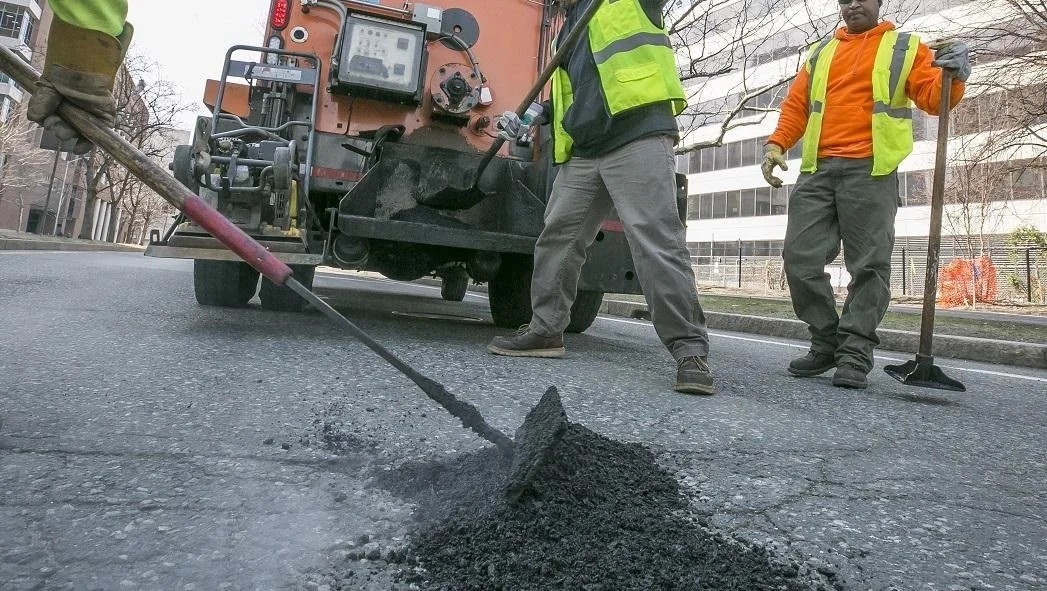
Everyday government
Crews fix streets every day. Residents rarely hear that the work happened.
What’s inside
Six sections, from the street to city hall
The report draws on interviews with city leaders, public 311 records, and an early look at service and voting participation. Seven appendices cover methods, data definitions, supporting tables, limits, and sources.
- 01Making Everyday Government Visible
- 02The Burden of Being Heard and Staying Informed
- 03What City Leaders Told Us
- 04What Public Service Records Reveal
- 05An Early Look at Service and Voting Participation
- 06What the Findings Suggest
- A–GAppendices: interviews, data and turnout methods, supporting tables, limits, and sources
What the findings suggest
Three things would have to change
Everyday work is easier to see and understand
Cities can start with work already funded and underway, confirm the facts with the responsible department, and say honestly whether it is planned, delayed, underway, or complete.
More residents enter the conversation
Familiar channels tend to reach the same people. Neighborhood context can show whom a city isn’t hearing from and where more outreach is needed.
Their feedback shapes what happens next
An update that explains what actually happened, with a way to say the problem remains, tells staff what records alone can’t.
What comes next
2027
A three-city pilot of the Civic Intelligence Dashboard would test one question: can city staff sustain a process that lets residents hear back, understand what their city is doing, and influence what happens next?
The Memo
Listening, Understanding, Acting
Residents tell their cities what they need every day. This memo looks at what happens next: what 1.78 million 311 requests from 16 mid-size cities show about follow-through, what 17 mayors, city staff, nonprofit leaders, and funders told us, and how a 2027 pilot will test a better way.
Read the full report
Request the report.
Share a few details and we’ll email you a copy of From Service Requests to Stronger Participation. Free for city leaders, funders, researchers, and community partners.
- What 1.6 million closed 311 requests show about follow-through
- Why a repeat report can signal an unfinished conversation
- An early look at service and voter turnout in 11 cities
Questions? hello@citiesforward.org